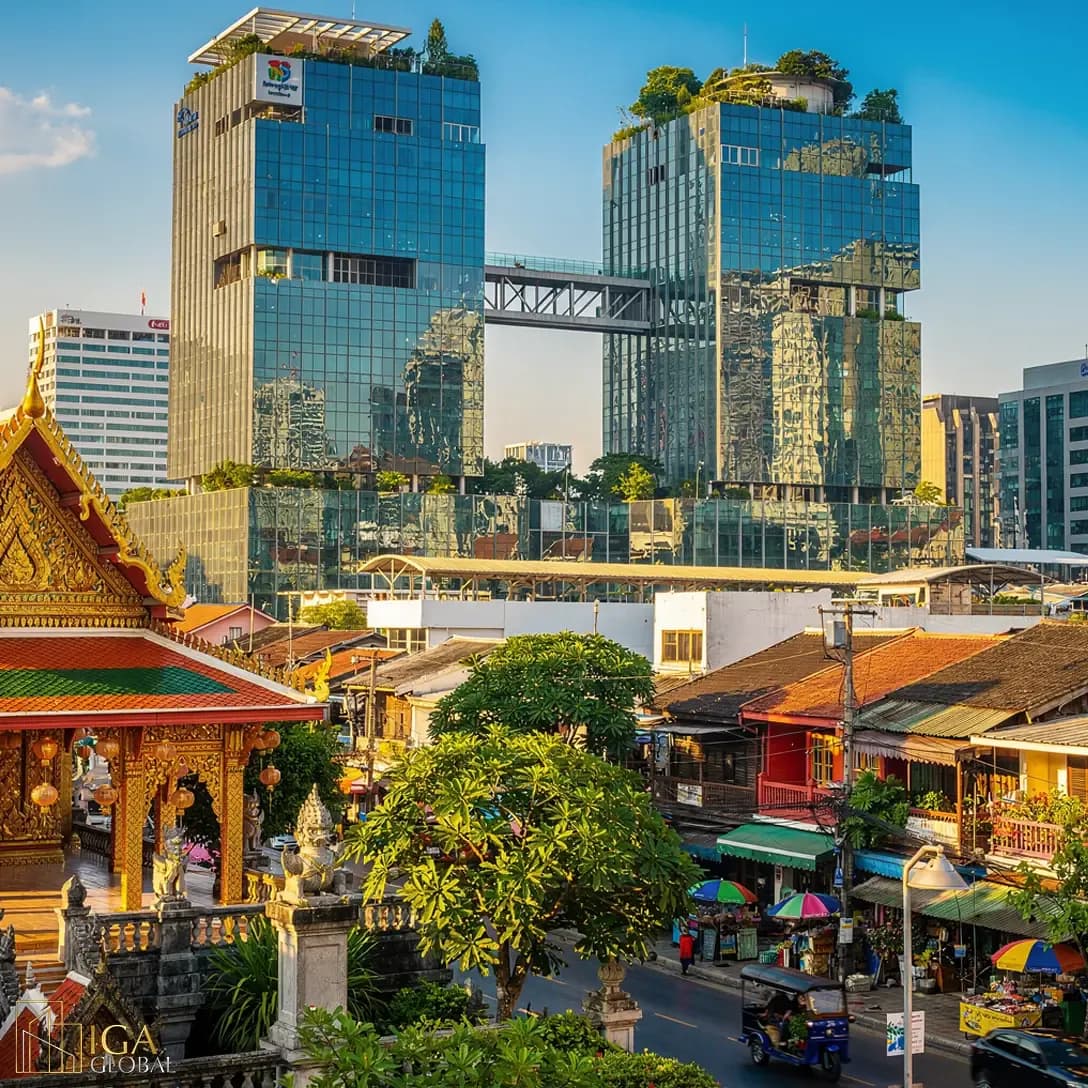
Thailand
Combining Income Potential with World-Class Living. Thailand has evolved into one of Southeast Asia's most dynamic investment landscapes, offering a compelling proposition for international buyers.
Understanding Thailand
Far more than a holiday destination, the Kingdom offers a sophisticated property market underpinned by a resilient, diversified economy and robust global tourism demand. For investors building a global portfolio, Thailand serves as a strategic diversification play, shifting the focus from modest-yield capital preservation in the West to income generation in the East.
Economic Resilience & Tourism Fundamentals
Thailand boasts a diversified economic base that extends well beyond its famous beaches. Supported by strong manufacturing, agriculture, and service sectors, the economy provides a stable backdrop for property investment. Tourism remains a critical economic engine, with international arrivals showing strong, sustained recovery. This drives demand for accommodation across the spectrum, from short-term holiday lets to long-term executive rentals. The rental market is no longer reliant solely on seasonal tourists. Demand is increasingly driven by long-stay retirees, remote digital professionals, and expatriates, creating year-round occupancy opportunities.
Infrastructure & Connectivity
Thailand's appeal is bolstered by first-world infrastructure that supports long-term residency and repeated visitation. High-frequency international air connectivity links Thailand to major global capitals, ensuring a steady flow of visitors. Investors and residents benefit from JCI-accredited international hospitals, world-class international schools, and modern retail complexes, making long-term living highly viable.
Spotlight on Phuket
Within the broader Thai market, Phuket stands out as the most established, internationally recognized, and well-positioned destination for overseas capital. It is an island environment with limited developable land, creating a natural supply constraint that supports long-term asset value. The market is defined by high-quality resort-style condominiums, luxury pool villas, and branded residences managed by 5-star hotel operators. Typical market yields range from 6% to 9% gross (subject to structure, costs and stated assumptions). Not guaranteed.
Rental Strategy
Successful Phuket investments typically utilize flexible rental strategies. Short-stay rentals capitalize on peak tourist seasons for maximum daily rates. Long-stay rentals target snowbirds and remote workers for stable, seasonal income. Hybrid models through professional management programs allow owners to enjoy personal usage rights while generating income during the remainder of the year.
Ownership & Structure
Investing in Thailand requires understanding the specific legal framework designed for foreign buyers. Foreigners can hold Freehold title in condominiums in their own name, provided the building stays within the foreign ownership quota (49% of saleable area). Villas and land are typically secured through long-term leasehold structures (often 30+30+30 years) or through specific corporate holding structures. While more complex than fee-simple Western markets, the pathways are well-established and secure when navigated with expert counsel.
Investor Suitability Profile
Thailand is best suited for Lifestyle Buyers seeking a holiday home that generates rental income when not in use, Income-Focused Investors looking for typical market yields of 6-9% (subject to structure, costs and stated assumptions), and Diversifiers wanting exposure to Southeast Asian growth and tourism currencies. Thailand, specifically Phuket, rewards the patient, income-focused investor who accepts a degree of structural complexity and exposure to tourism cycles in exchange for competitive rental returns and an enviable lifestyle asset.
The Thailand collection
A curated selection of investment properties in Thailand. Each project carries full specifications, payment plans and due diligence materials.
 Under Construction
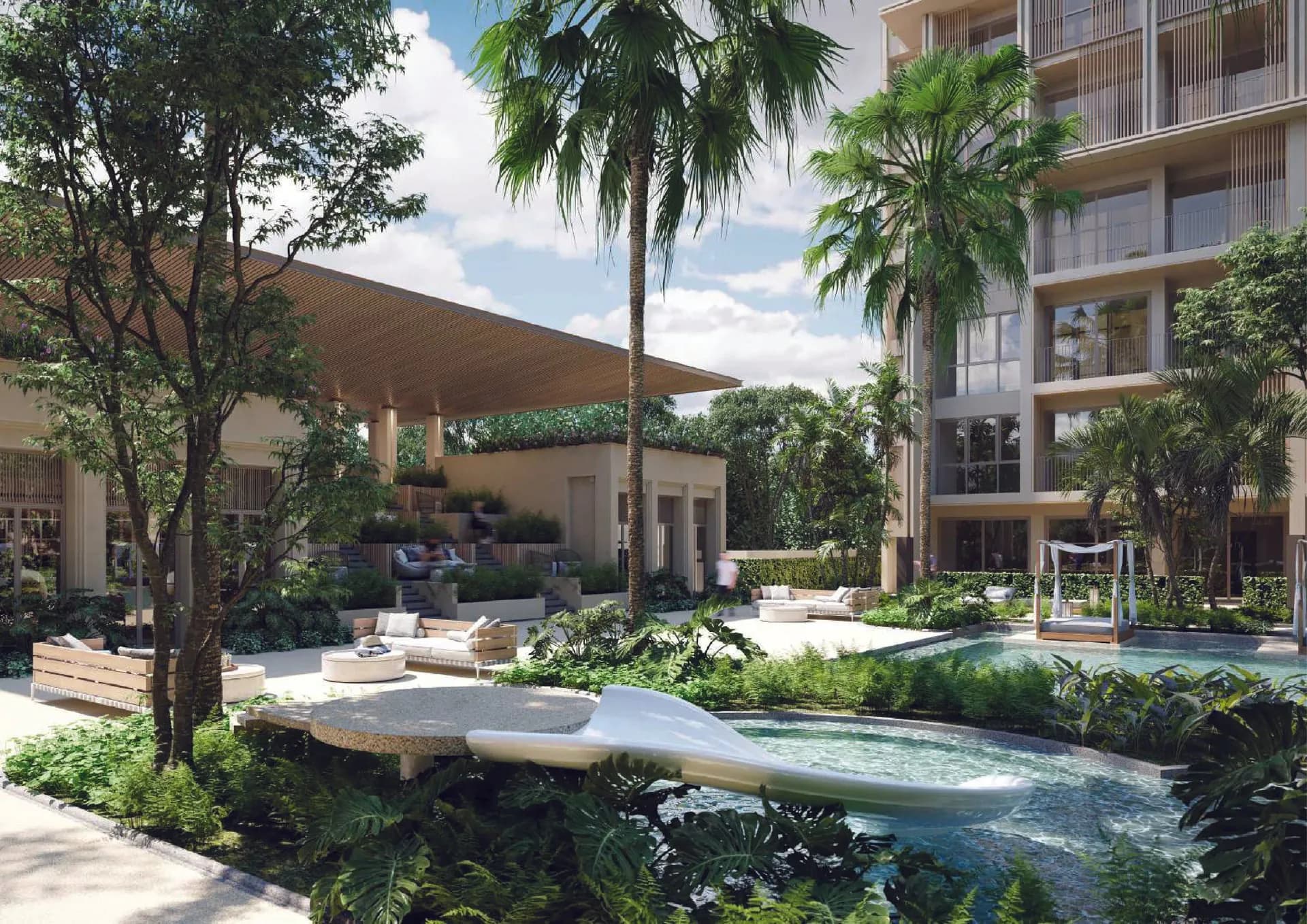
Positioned in the heart of Bangtao, Sudara Residences is a resort-style condominium development managed by the award-winning Andara Resort & Villas, combining Thai-inspired architecture with institutional-grade hospitality. Set moments from Phuket's longest beach, the project blends low-rise residential design with lush landscaping, lagoon-style pools, and curated lifestyle services. Developed by Princess Villa Limited under the Lan Kwai Fong Group, Sudara delivers a fully managed investment and lifestyle product in one of Phuket's most established luxury enclaves.
 Off-Plan
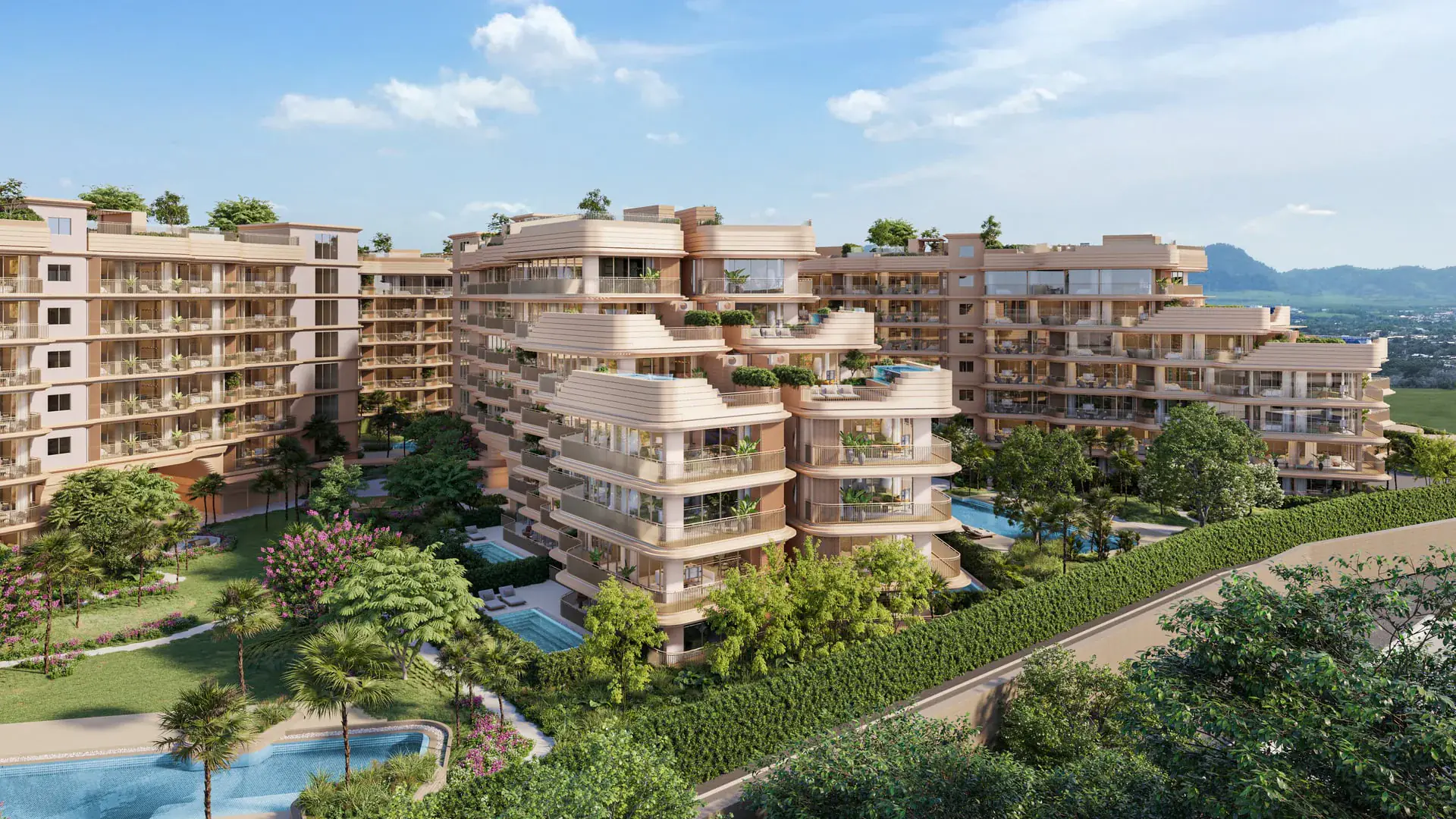
Set within the heart of Laguna Phuket, Laguna Golf Residences Hibiscus is a contemporary low-rise residential development overlooking a championship golf course and lush tropical landscapes. Designed by Banyan Group, the project blends heritage-inspired architecture with modern resort living, offering panoramic views, expansive terraces, and seamless indoor-outdoor spaces. Positioned minutes from Bang Tao Beach, it delivers a rare balance of privacy, lifestyle access, and investment-grade ownership in Phuket's most established integrated resort.
 Under Construction
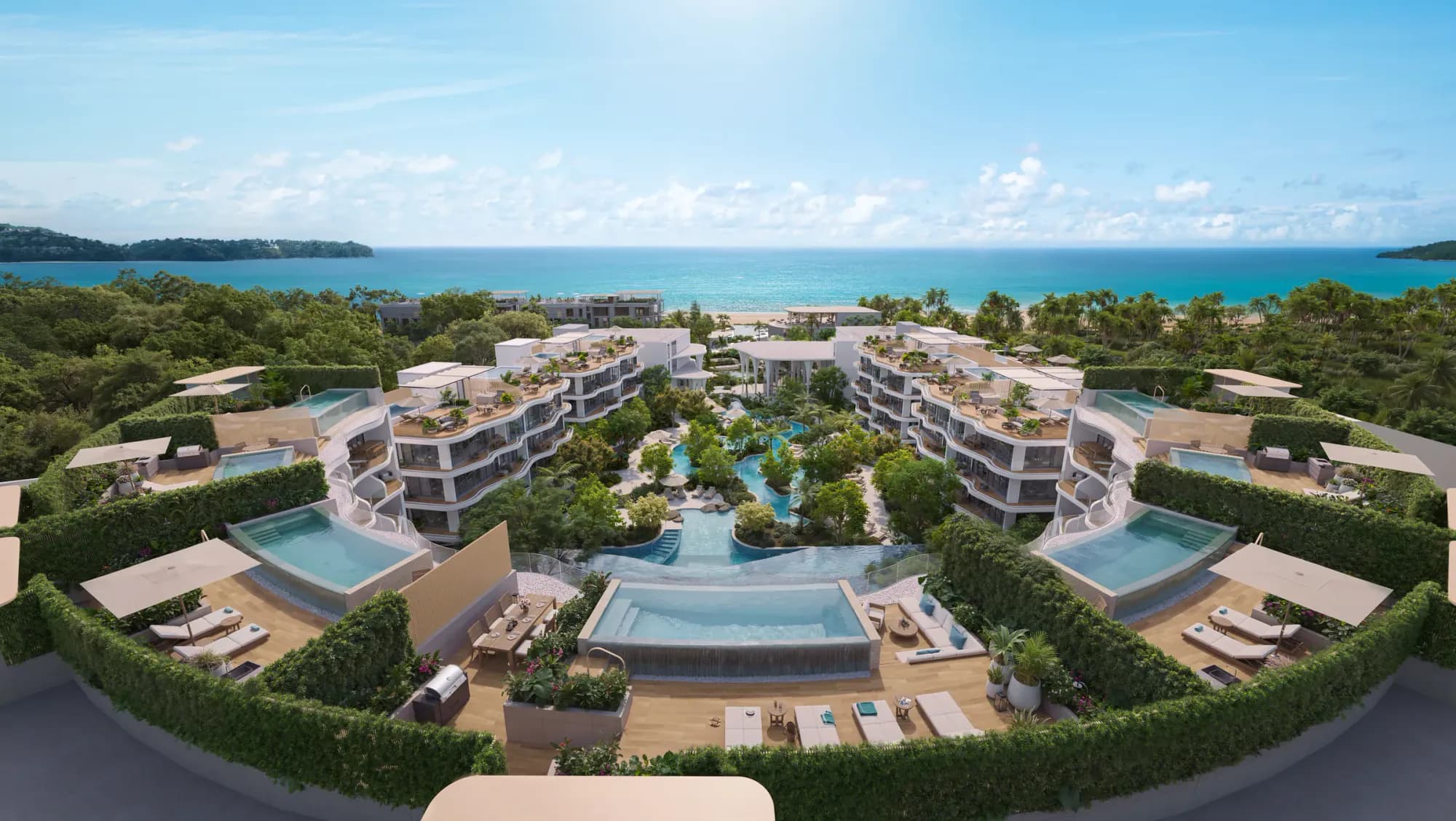
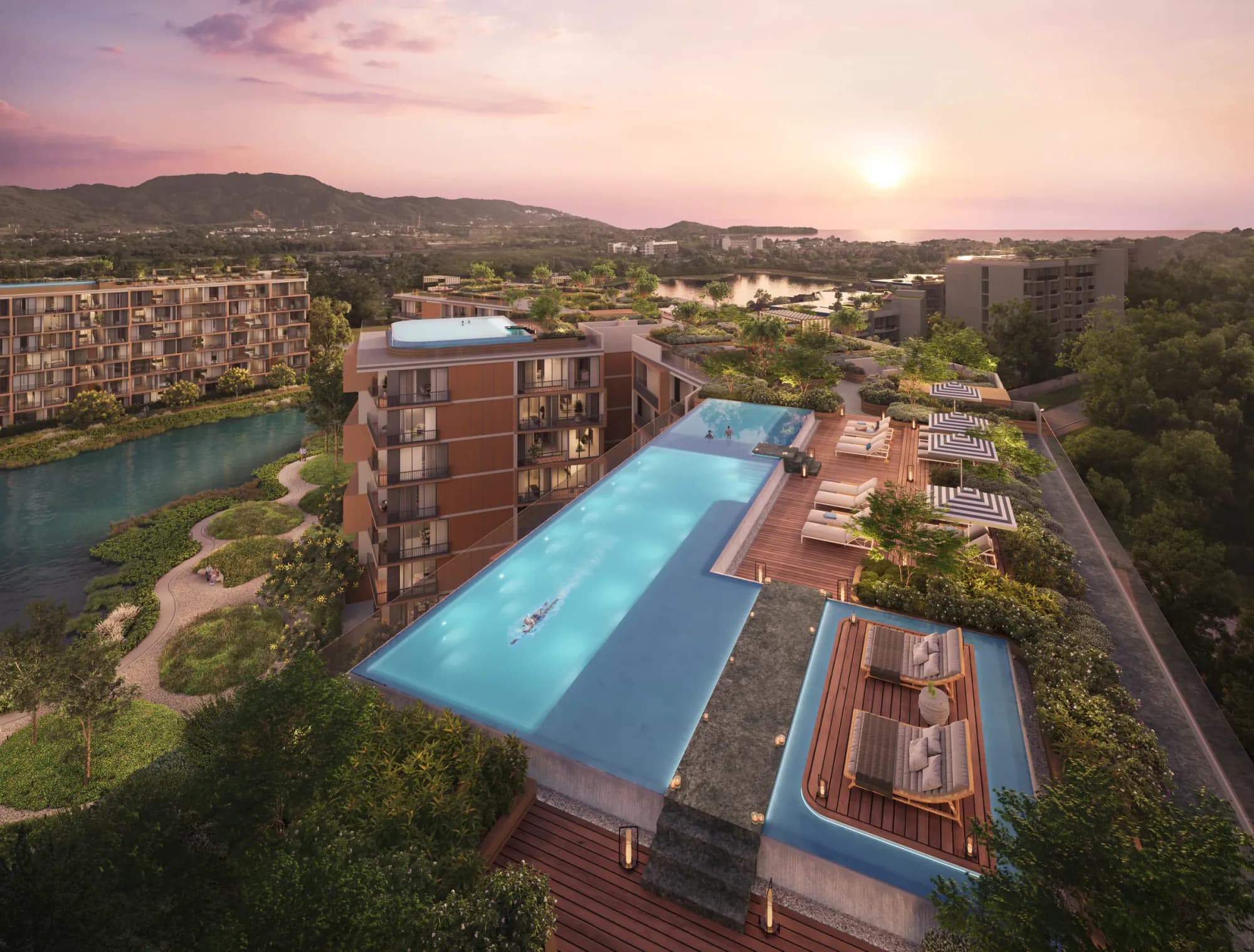
Residences at Garrya Phuket is a Banyan Group-managed development near Bang Tao Beach, offering both freehold and leasehold ownership for foreign buyers within the statutory foreign quota. Professional management by Banyan Group with access to global hospitality privileges across Banyan Tree, Angsana, Cassia, and Garrya properties. Under construction with milestone-based payment plan.
 Off-Plan
Skypark Elara is a condominium development within the Laguna Lakelands community in Phuket, offering both leasehold and freehold ownership options for foreign buyers within the 49% foreign quota. Surrounded by lakes and close to Bang Tao Beach, the project is positioned within an established resort infrastructure managed by Banyan Group. Deferred payment plans and free first-year service charge available.
 Off-Plan
Bellaguna Lake Residences is a condominium development within Laguna Phuket, located beside a scenic lake near Bang Tao Beach. Developed by Banyan Group, foreign buyers can acquire freehold title within the 49% foreign ownership quota. Condominium structure with professional hotel-branded management. Deferred payment options available for qualifying buyers.
Prices, completion dates and availability are indicative and subject to change. Property investment carries risk: capital values and rental income can fall as well as rise, and returns are not guaranteed. Seek independent advice before investing.
Why invest in Thailand
The reasons Thailand earns a place in an international portfolio, and the conditions that have to hold for those reasons to keep working.
Freehold condo ownership
Foreign nationals can own condominiums outright within the 49% foreign quota per building, providing true freehold ownership with clear Land Department registration.
Thailand Privilege Visa
Long-term visa options from 5 to 20 years provide stability for investors. Bronze (5yr) from THB 650,000, Platinum (10yr) THB 1.5M, Diamond (15yr) THB 2.5M, Reserve (20yr) THB 5M by invitation.
Competitive rental returns
Well-positioned assets in Phuket and resort areas can achieve indicative gross rental yields of 6% to 9% (subject to structure, costs and stated assumptions). Not guaranteed.
Diverse tenant base
Demand extends beyond seasonal tourists to include long-stay retirees, digital nomads, and expatriates, creating year-round occupancy opportunities.
World-class infrastructure
JCI-accredited international hospitals, world-class international schools, and modern retail complexes make long-term living highly viable.
Tourism resilience
Thailand consistently ranks among the world's most visited countries with strong recovery in international arrivals, supporting rental demand.
Key investment areas
Where demand in Thailand actually concentrates. We work in a small number of well-understood submarkets rather than across the whole country, because tenant demand, supply and exit liquidity are local, not national.
Bangkok (Sukhumvit, Sathorn, Silom)
Phuket (Patong, Kamala, Bangtao)
Pattaya (Jomtien, Pratumnak)
Chiang Mai (Old City, Nimman)
Property types available
The asset classes we actively source in this market. Each carries a different income profile, management burden and exit audience, and we will steer you to the one that fits your objective rather than the one with the largest inventory.
How the Thailand market works
The mechanics that decide what you can buy, what you actually own, and what it costs to hold. These are the questions we settle before a property is ever discussed.
- Legal Framework
- Thai civil law, Land Department registration
- Foreign Ownership
- Condos freehold (49% foreign quota per building), land via leasehold or Thai company
- Currency
- THB (Thai Baht)
- Taxation
- Specific business tax 3.3% or stamp duty 0.5%, rental income 5-35% progressive
Entry levels and yields are indicative of the market, not a quote for any specific asset, and are not guaranteed. Tax treatment depends on your own circumstances.
Risks and considerations
What can go wrong in Thailand, stated plainly. We would rather lose a transaction than have an investor discover any of this after completion.
Land ownership is not available to foreigners. Investors should focus on condominiums within buildings that have foreign quota availability, or secure land through established leasehold structures.
The Thai Baht can be volatile against major currencies. Currency exposure should be factored into return expectations.
Capital growth in Phuket is cyclical, closely tied to tourism trends and infrastructure upgrades, rewarding investors with a medium-to-long-term horizon.
Off-plan purchases carry developer risk. Due diligence on developer track record, project escrow, and engaging reputable legal counsel is essential.
Thailand investment questions
The questions investors ask us most about this market, answered without the sales gloss.
What is the 49% foreign quota rule?
Thai law allows foreigners to own only 49% of a condo building's total floor area as freehold. Once this quota fills, remaining units sell as 30-year leasehold only. Always confirm Foreign Freehold availability before purchasing - it commands a 10-15% premium but offers full ownership and better resale value.
Does buying property give me a visa to live in Thailand?
No. Property ownership doesn't grant residency rights. For long-term stays, you'll need the Thailand Privilege Visa (formerly Elite Visa). 2026 tiers: Bronze 5yr from THB 650,000, Gold 5yr THB 900,000 (includes privilege points), Platinum 10yr THB 1.5M, Diamond 15yr THB 2.5M, Reserve 20yr THB 5M (by invitation). Budget this separately from your property investment.
What is the Sinking Fund and how much is it?
A one-time payment at purchase (typically THB 500-800 per sqm) that builds reserves for major building repairs. For a 60 sqm condo, expect THB 30,000-48,000 ($850-$1,350) upfront. This is separate from monthly maintenance fees.
Bangkok or Phuket - which is better for investment?
Bangkok offers stable 4-6% yields with year-round demand from expat tenants. Phuket can deliver 6-10% yields but is highly seasonal (peak Dec-Mar). Bangkok suits passive income seekers; Phuket suits those comfortable with tourism-driven volatility and higher management involvement.
Can foreigners buy land in Thailand?
No. Foreigners cannot own land directly. You can own a condo unit (freehold within the 49% quota) or the building structure on leased land. Land is typically held via 30-year lease or through a Thai Limited Company structure (under increasing government scrutiny).
What are the transfer costs when buying?
Approximately 6-7% of purchase price: Transfer Fee (2%), Withholding Tax (1%), Specific Business Tax or Stamp Duty (3.3% or 0.5%), plus the Sinking Fund. Negotiation determines how these split between buyer and seller - get this agreed in writing before signing.
Have a question that is not answered here?
Speak with an adviserStructuring your global portfolio?
Whether you're approaching your first international property purchase or putting proper structure around an existing multi-jurisdiction portfolio, IGA Global offers principal-led advisory, disciplined analysis and scenario modelling, and a global partner network, so you can proceed with confidence.
Begin with a private consultation to discuss your objectives, review our current curated opportunities, or download our complimentary Investment Guide for an overview of international mobility strategies and income-led global diversification.