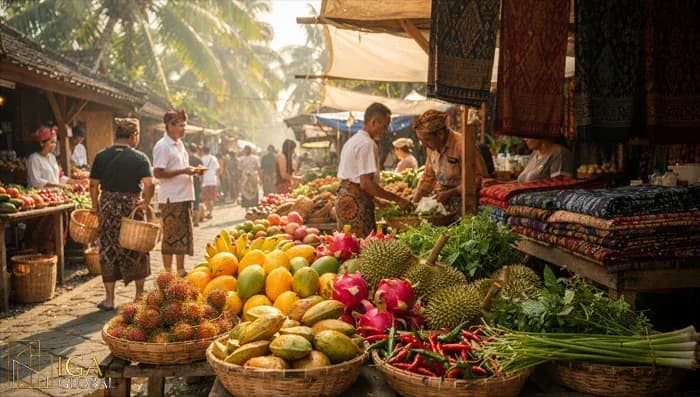
Bali, Indonesia
Bali offers attractive entry prices, strong tourism-driven rental demand, and compelling short-term rental yields. However, the leasehold ownership structure requires careful navigation and long-term planning.
Understanding Bali
A plain view of what it means to buy in Bali: how the market is structured, what you can and cannot own, what the income actually looks like after costs, and where the risks sit. Read it before you look at any individual opportunity.
How We Assess This Market
Bali sits on our list because it clears the same screen every market has to clear: real occupier demand, a supply pipeline we can read, developers with a delivery record, and a realistic route to exit. We do not present a market because it is fashionable, and we will tell you plainly where the weaknesses are before you commit capital.
Ownership & Title
Leasehold only (25-30 years extendable), Hak Pakai (right to use). Ownership structure is the first thing we check on any Bali opportunity, because it determines what you actually hold, how you can sell it, and what happens to the asset on your death. Title is verified by an independent lawyer acting for you, never by the seller's representative.
Legal Framework
Indonesian law, BKPM regulated for foreign investment. We work only where the process from reservation to registered title is documented and enforceable. Independent legal representation is a condition of every purchase we support, and contracts are reviewed before any non-refundable payment is made.
Tax & Currency
Transactions settle in IDR (Indonesian Rupiah). 10% rental income tax, 5% transfer fee, annual land & building tax (PBB). Cross-border tax treatment depends entirely on your own residence and structure, so we introduce specialist tax counsel rather than advise on it ourselves, and we introduce FX partners so the exchange rate is a decision rather than an accident.
Income & Holding Costs
Indicative gross yields in Bali run at 8-12% yields, with entry from USD 100,000 (leasehold). Gross is not net: management fees, service charges, void periods, maintenance and local taxes all sit between the headline figure and your bank account. We model the net position with you before you buy, and figures are indicative, not guaranteed.
Working With IGA
Property here is typically held as leasehold villas, hak pakai apartments, land leases for development. You deal with senior advisers throughout: sourcing and due diligence, sales progression to completion, then lettings, management and lifetime aftercare. One relationship, from first conversation to resale.
The Bali collection
A curated selection of investment properties in Bali. Each project carries full specifications, payment plans and due diligence materials.
 New Launch
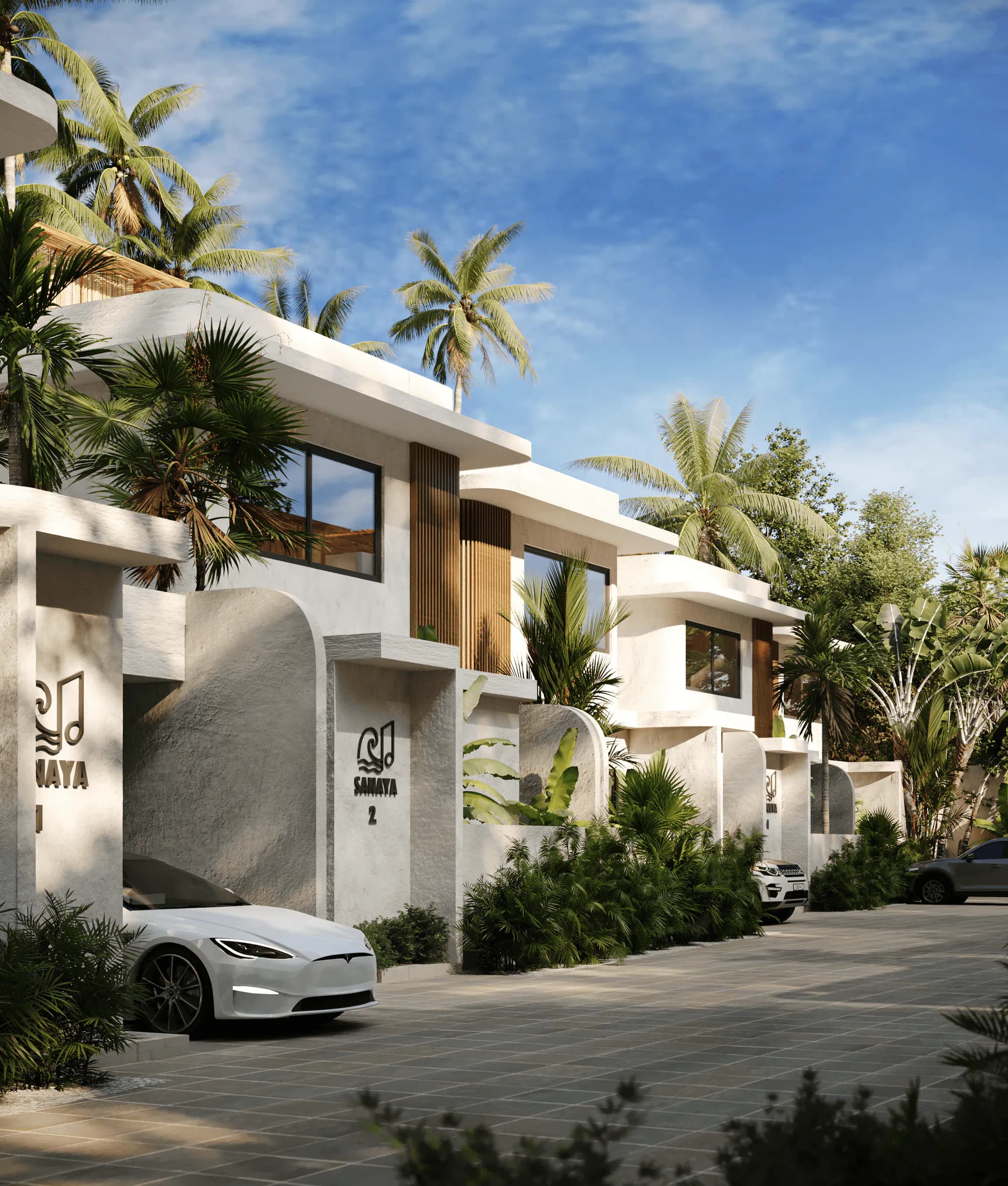
Sanaya Residence is a villa development in Pecatu, Uluwatu, one of Bali's most established tourism corridors. Positioned near high-demand surf and lifestyle precincts across the greater Bukit Peninsula, the project targets short-term rental income supported by sustained visitor demand. Foreign buyers should note that ownership in Indonesia is typically structured via leasehold (Hak Pakai) tenure. Contact IGA Global for full structuring guidance, payment terms, and management arrangements.
Prices, completion dates and availability are indicative and subject to change. Property investment carries risk: capital values and rental income can fall as well as rise, and returns are not guaranteed. Seek independent advice before investing.
Why invest in Bali
The reasons Bali earns a place in an international portfolio, and the conditions that have to hold for those reasons to keep working.
Strong rental demand
Short-term rental yields can reach 8-12% gross in popular tourist areas, driven by Bali's status as a global tourist destination. Subject to structure, costs and stated assumptions. Not guaranteed.
Low entry points
Quality properties can be acquired from USD 100,000, making Bali accessible for investors seeking emerging market exposure.
Growing infrastructure
Continued development of roads, utilities, and amenities is improving accessibility and supporting property values in key areas.
Digital nomad hub
Bali has become a global center for remote workers, creating sustained demand for quality rental accommodation.
Lifestyle appeal
The combination of climate, culture, and cost of living makes Bali attractive for both investment and personal use.
Professional management
A mature property management industry has developed to serve international investors, making remote ownership practical.
Key investment areas
Where demand in Bali actually concentrates. We work in a small number of well-understood submarkets rather than across the whole country, because tenant demand, supply and exit liquidity are local, not national.
Canggu (Berawa, Batu Bolong)
Seminyak (Petitenget)
Ubud (Penestanan, Sayan)
Uluwatu (Bingin, Padang Padang)
Property types available
The asset classes we actively source in this market. Each carries a different income profile, management burden and exit audience, and we will steer you to the one that fits your objective rather than the one with the largest inventory.
How the Bali market works
The mechanics that decide what you can buy, what you actually own, and what it costs to hold. These are the questions we settle before a property is ever discussed.
- Legal Framework
- Indonesian law, BKPM regulated for foreign investment
- Foreign Ownership
- Leasehold only (25-30 years extendable), Hak Pakai (right to use)
- Currency
- IDR (Indonesian Rupiah)
- Taxation
- 10% rental income tax, 5% transfer fee, annual land & building tax (PBB)
Entry levels and yields are indicative of the market, not a quote for any specific asset, and are not guaranteed. Tax treatment depends on your own circumstances.
Risks and considerations
What can go wrong in Bali, stated plainly. We would rather lose a transaction than have an investor discover any of this after completion.
Foreigners cannot own freehold land in Indonesia. Investments are typically structured as leasehold (25-30 years extendable) or through Indonesian entities.
Leasehold terms and extension rights should be carefully reviewed. The value of leasehold assets diminishes as the term shortens.
Rental yields depend heavily on tourism, which can be affected by external factors including pandemics, natural disasters, and economic conditions.
The regulatory environment for short-term rentals is evolving. Licensing requirements should be verified and maintained.
Bali investment questions
The questions investors ask us most about this market, answered without the sales gloss.
Can foreigners own freehold property in Bali?
No. Freehold (Hak Milik) is strictly for Indonesian citizens. Avoid "nominee" arrangements where a local holds title on your behalf - this is illegal and risks total asset loss. Legal options are Leasehold (25-30 years) or ownership through a PT PMA company (Right to Build/HGB).
What is a PT PMA and do I need one?
A PT PMA is a foreign-owned Indonesian company that can hold land titles (HGB) and obtain commercial licenses for rental operations. Under BKPM Regulation No. 5/2025, paid-up capital has been reduced to IDR 2.5 billion (~USD 150,000). However, the company must still demonstrate total investment realization of more than IDR 10 billion (excluding land and buildings) over time. Note: Investor KITAS (residency) still requires holding at least IDR 10 billion in shares, as immigration rules were unchanged. Essential for legal short-term rental businesses.
Can I run my villa as an Airbnb legally?
Only with proper licensing. Individual leasehold ownership operates in a legal grey area for commercial rentals. For fully legal daily rentals, you need a PT PMA company with a Pondok Wisata (accommodation license). Operating without proper permits risks fines and immigration issues.
Is Canggu still a good investment?
Canggu remains popular but is now saturated with severe traffic congestion. Yields have normalized from 15-20% down to 8-12%. Many investors are pivoting to emerging areas: Pererenan/Seseh (Canggu lifestyle without chaos) or Uluwatu/Bingin (luxury segment, cliff-front premium).
What happens when my leasehold expires?
The property legally reverts to the landowner and your asset value becomes zero. Most contracts include a "priority right to extend" clause - negotiate the price mechanism for extensions before signing your initial lease to avoid unfavorable renegotiation later.
What are the typical yields in Bali?
Well-managed villas can achieve 8-12% gross yields, with premium properties occasionally higher. However, factor in: seasonality (low season May-October), management fees (15-25%), maintenance in tropical climate, and potential regulatory costs. These are indicative figures subject to assumptions and not guaranteed. Conservative underwriting is recommended.
Have a question that is not answered here?
Speak with an adviserStructuring your global portfolio?
Whether you're approaching your first international property purchase or putting proper structure around an existing multi-jurisdiction portfolio, IGA Global offers principal-led advisory, disciplined analysis and scenario modelling, and a global partner network, so you can proceed with confidence.
Begin with a private consultation to discuss your objectives, review our current curated opportunities, or download our complimentary Investment Guide for an overview of international mobility strategies and income-led global diversification.